
Modular Systems Architect / Computational Design – ADPT
(80–100%)
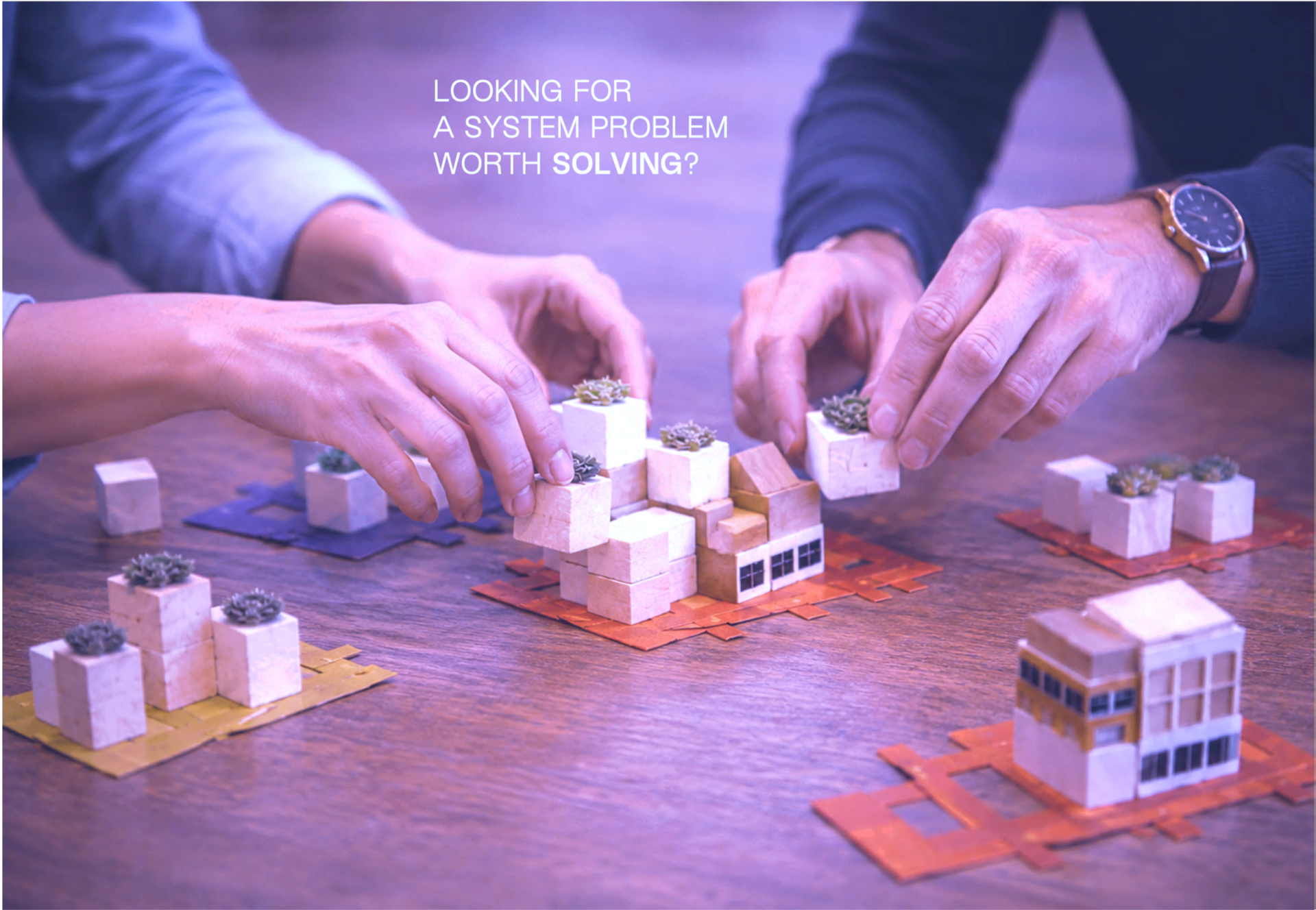
Looking For A System Problem Worth Solving?
We don’t develop buildings. We build a system that generates them.
With ADPT, we are developing a circular planning and construction system that connects architecture, systems design and software. We see buildings not as resource-intensive one-off projects, but as configurable expressions of a shared system that enables the efficient delivery of circular buildings.
We are now building the core team that will define the architecture of ADPT.
Your Mission
As Modular Systems Architect, you own the interface between the physical building system, digital models and system logic. You shape the digital structures and design logics from which valid, high-quality and resource-efficient building configurations can be generated, varied and evaluated. For candidates with a strong architectural design background, the scope of the role can extend further into the development of the physical system and its spatial and architectural logic.
Your contribution:
- You translate building components into structured, machine-readable models
- You model relationships, dependencies and valid combinations between components
- You translate system rules into consistent model and data structures
- You develop rule-based design and configuration logics through which different spatial and typological solutions can be generated and explored
- You create the foundation for valid, systematically assessable building configurations
You work directly at the intersection of:
Architecture & System Design
together with the Principal Systems Architect and the Architecture Design Lead
Research & Software Development
in close collaboration with a leading research group in digital construction (Chair of Computing in Civil Engineering, Prof. Dr. Markus König, Ruhr University Bochum)
Engineering Practice
in close collaboration with Arup as part of our development partnership for circular buildings
What You Bring
- Good understanding of modular building systems and their underlying construction logic
- Deep understanding of discrete building components, type systems and rule-based digital models
- Solid experience in the structured modelling of building or design systems
- Ability to translate physical and construction systems into precise digital models that connect effectively with software and system logic
- A strong advantage: architectural design and typology skills, and the ability to translate system logic into compelling spatial and architectural solutions
- Very good command of English; German is an advantage for working within the German planning and project context
Your background may be in architecture, computational design, design technology, engineering or adjacent technology-driven fields. What matters is your understanding of physical building systems and your ability to represent their logic precisely in digital models.
What Makes This Role Unique
- You don’t work on individual buildings, but on the logic from which they emerge
- You join at an early stage and help shape both the physical and digital logic of ADPT – and therefore the spatial and architectural possibilities of the system
- For the right person, the role can develop into a broader architectural and systems leadership role as ADPT evolves
- You work with leading partners from engineering practice and research in the digitalisation of construction, including Arup, Ruhr University Bochum, TU Dortmund, Bochum University of Applied Sciences and Technical University of Munich
- ADPT buildings are not only designed and simulated – they are actually built
- Your work contributes to the transformation of the construction sector – with tangible impact in real pilot projects funded at EU, federal and state level (e.g. „ZukunftsQuartier Kunstwerkerschule„)
Framework
Duration: minimum 16 months; long-term perspective for an excellent fit
Location: Essen or Berlin; a high degree of remote work is possible during the current build-up phase
Collaboration: high level of autonomy and close teamwork, with targeted in-person collaboration during key development and workshop phases
Compensation: salary, option for equity participation
Start: by agreement

If This Role Resonates With You, Send Us:
- a short profile or your CV
- 2–3 projects or examples you have worked on (link + brief context)
- a few lines on why building ADPT interests you and which tasks you find most compelling with regard to building systems, digital models and system logic
The Process:
- A short intro conversation
- 1–2 in-depth conversations on systems, architecture and implementation
- A conversation about the framework and working conditions
Interested? Reach Out.
Contact: Bastian Michael
Email: systems@futur2k.com